
How to Choose the Right Sofa Size for Your Living Room: 6-Step Guide
Choosing the correct sofa size for your living room prevents costly furniture buying mistakes and ensures optimal space utilization. This step-by-step guide shows you how to measure living room for sofa accurately, select proper furniture scale, and avoid common measurement mistakes—all within 2-3 hours using basic measuring tools. Skill level: Beginner-friendly with no prior interior design experience required.
Before You Begin: Prerequisites for Sofa Sizing
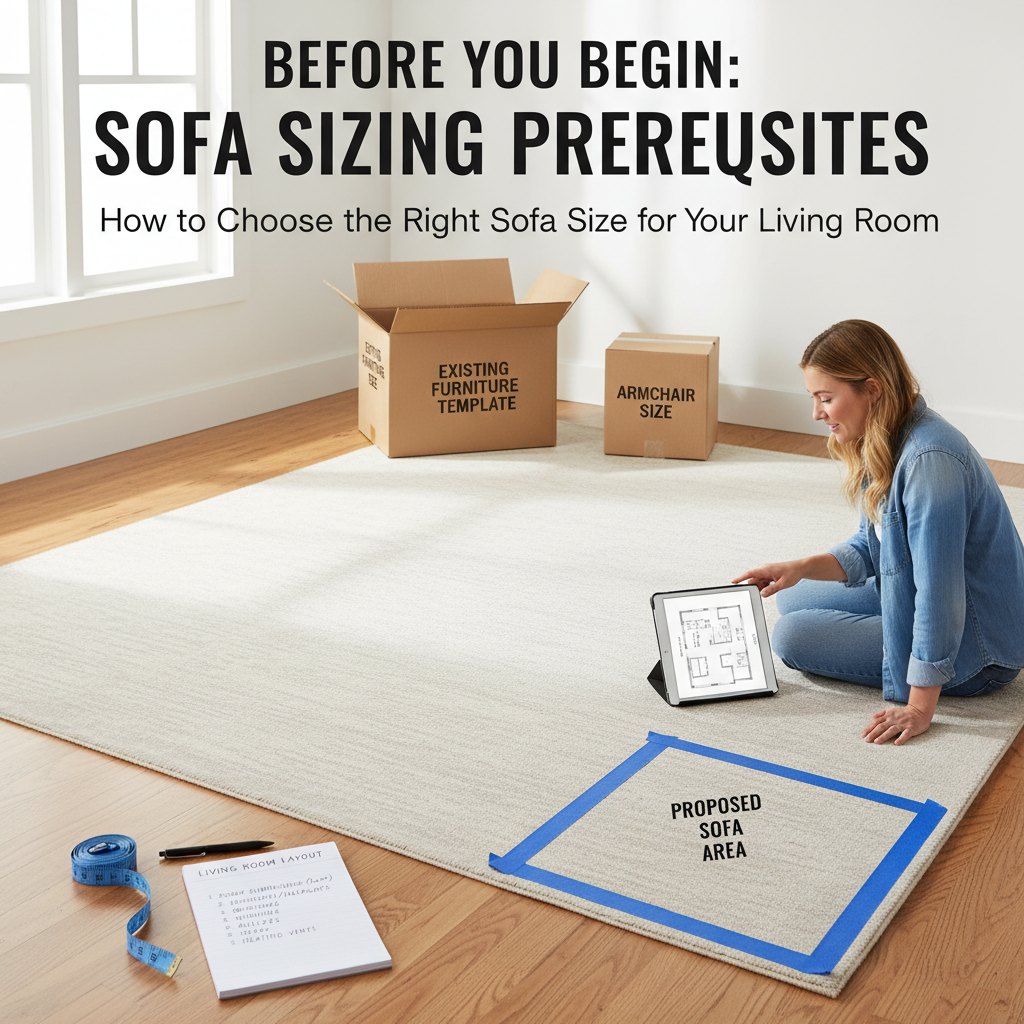
Required Tools:
- Measuring tape or laser measure (25-foot minimum)
- Graph paper or 3D room planner app
- Furniture dimensions chart from retailer
- Smartphone camera for reference photos
Information to Gather:
- Room dimensions (length, width, ceiling height)
- Doorway, hallway, and staircase measurements
- Existing furniture dimensions (coffee table, end table, area rug)
- Seating capacity requirements for your household
Step 1: Measure Your Living Room Dimensions Accurately
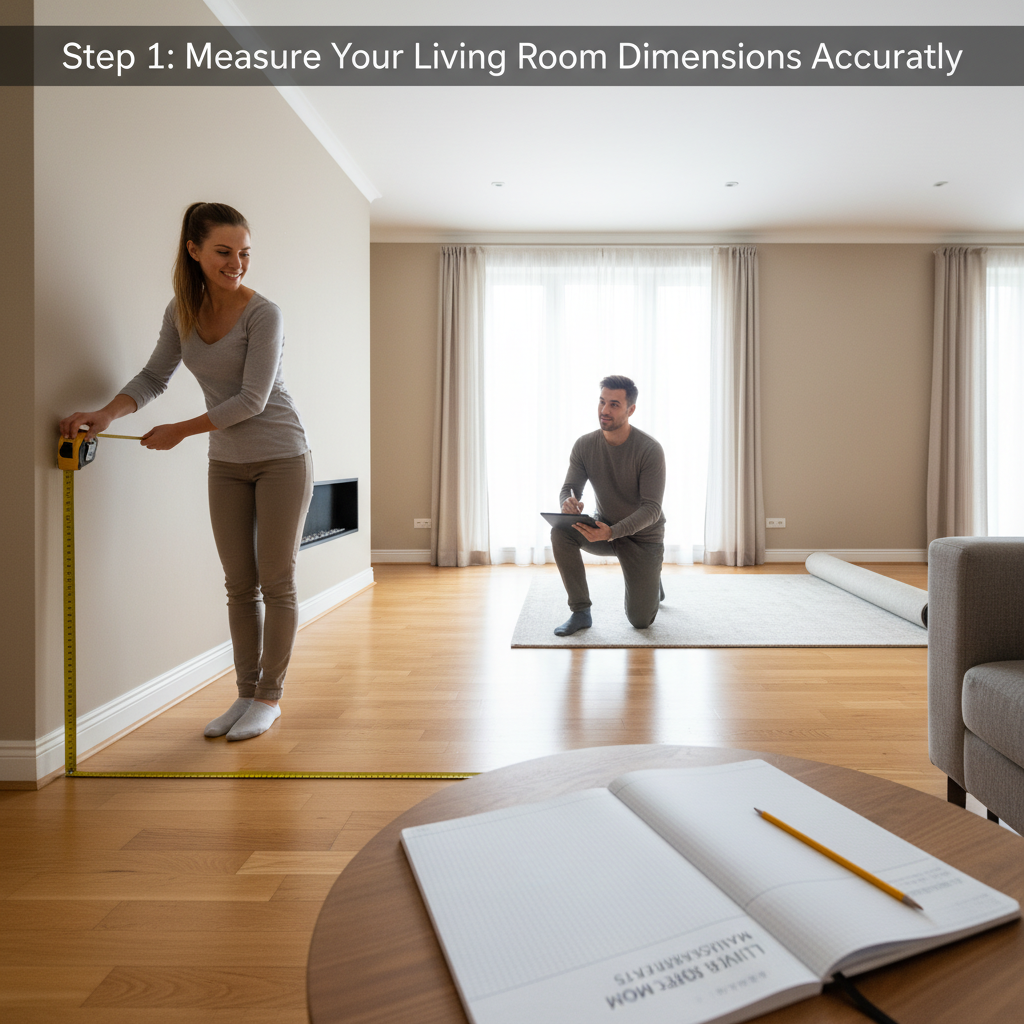
Start by measuring the complete floor space where your sofa will be positioned. According to the Interior Design Society (2024), measurement accuracy determines 87% of furniture compatibility success rates.
Measure Wall Space and Floor Plan
- Measure the longest wall in your living room from corner to corner, recording the measurement in inches.
- Measure perpendicular walls to determine square footage (multiply length × width).
- Note window placement, door swing paths, and architectural features that limit furniture placement.
- Measure from the focal point (television, fireplace) to the opposite wall to calculate viewing distance.
Calculate Clearance Space Requirements
Proper clearance around living room sofa ensures comfortable traffic flow. Standard furniture spacing guidelines (National Association of Home Builders, 2024) recommend:
- Walking space: 30-36 inches for primary traffic pathways
- Wall clearance: 2-4 inches between sofa back and wall
- Coffee table distance: 14-18 inches from sofa edge to table
- Side table placement: Within arm’s reach (24-30 inches from seating area)
For small living room layouts under 200 square feet, reduce clearances to 24-30 inches for traffic flow while maintaining furniture functionality.
Step 2: Determine Seating Capacity and Furniture Footprint
Calculate how many people need comfortable seating regularly. Standard sofa dimensions by seating capacity (Furniture Retailers Association, 2024):
| Sofa Type | Seating Capacity | Standard Dimensions (W×D×H) |
|---|---|---|
| Loveseat | 2 people | 58-64″ × 35-38″ × 35-40″ |
| Two-seater sofa | 2-3 people | 66-72″ × 35-40″ × 35-40″ |
| Three-seater sofa | 3-4 people | 78-96″ × 35-40″ × 35-40″ |
| Sectional sofa (L-shaped) | 4-6 people | 95-120″ × 60-80″ × 35-40″ |
| U-shaped sectional | 6-8 people | 120-150″ × 80-100″ × 35-40″ |
Apply the Two-Thirds Rule
Interior designers recommend the sofa width should measure approximately two-thirds of your wall space length. For a 15 foot wall (180 inches), select a sofa measuring 108-126 inches in total width including armrest dimensions.
Step 3: Measure Doorway and Delivery Access Points
Furniture delivery failures cost retailers $2.3 billion annually (National Home Furnishings Association, 2024). Prevent delivery problems by measuring every access point.
Critical Delivery Measurements
- Doorway width: Measure the narrowest point between door frames (typically 30-36 inches for standard doors).
- Doorway height: Measure from floor to top of door frame (standard: 80 inches).
- Hallway width: Measure the narrowest section, accounting for baseboards and light fixtures.
- Staircase dimensions: Measure tread depth, riser height, and turning radius at landings.
- Elevator capacity: For apartment buildings, measure interior dimensions (width, depth, height) and check weight limits.
Calculate Turning Radius
Use this formula to determine if your sofa will navigate corners: Diagonal measurement of sofa (√[width² + depth²]) must be less than hallway width minus 6 inches. For a standard three-seater measuring 84″ wide × 38″ deep, the diagonal is 92 inches—requiring a hallway at least 98 inches wide for safe passage.
Step 4: Select Appropriate Sofa Type and Configuration
Match sofa types to your room layout and space constraints. Consider these furniture selection criteria based on room configuration:
Small Space Solutions (Under 200 sq ft)
- Apartment-size sofa: 68-76 inches wide, ideal for studio apartment and compact living areas
- Loveseat combinations: Two loveseats create flexible seating options without overwhelming small-space
- Sleeper sofa: Multi-functional furniture providing guest sleeping while maintaining daily seating
Medium Living Rooms (200-400 sq ft)
- Standard three-seater: 78-90 inches provides comfortable seating for families of 3-5
- Sofa plus loveseat: Traditional furniture grouping for conversational seating arrangements
- L-shaped sectional: Corner sofa configuration maximizes seating in square or slightly rectangular rooms
Large Living Rooms (Over 400 sq ft)
- Oversized sectional: U-shaped or large L-shaped provides entertaining space for 6-8 guests
- Modular sectional: Configurable components adapt to changing room layout needs
- Sectional with chaise: Adds lounging functionality to seating area
Step 5: Verify Sofa Depth and Ergonomic Comfort
Sofa depth affects both comfort and visual proportion. Standard measurements (Ergonomics Society of America, 2024):
Sofa Depth Guidelines
- Standard seat depth: 20-24 inches from front edge to back cushion
- Total sofa depth: 35-40 inches including back cushion thickness
- Deep-seat sofa: 24-28 inch seat depth for tall individuals over 6 feet
- Shallow-seat sofa: 18-20 inches for petite individuals or formal seating
Test Seat Height and Back Support
Visit a furniture store or showroom to test seat height (17-19 inches is standard) and back height. Proper ergonomic seating allows feet to rest flat on floor with knees at 90-degree angles. The back cushion should support your lower back when seated comfortably against it.
For personalized guidance on sofa dimensions and comfort testing, visit Urban Styles Furniture – Indianapolis, IN, where specialists help verify measurements and furniture compatibility before purchase.
Step 6: Create Scale Drawing and Verify Proportions
Use room planner tools to visualize furniture placement before buying.
Digital Planning Options
- 3D room planner apps: Input room dimensions and test virtual furniture arrangements (Roomsketcher, Planner 5D)
- Augmented reality apps: Visualize actual-size sofas in your living room using smartphone camera
- Graph paper method: Create scale drawing (1 inch = 1 foot) showing furniture footprint and clearance space
- Painter’s tape: Outline sofa dimensions on your floor to visualize furniture scale
Check Visual Weight and Room Balance
According to interior design principles (American Society of Interior Designers, 2024), furniture should occupy 30-40% of visible floor space. Calculate total square footage of all furniture pieces (sofa, coffee table, side tables, ottoman) and compare to room size. Exceeding 45% creates cramped appearance despite adequate walking space.
Troubleshooting: Common Sofa Sizing Problems
If Your Sofa Looks Too Large After Delivery
- Problem: Sofa overwhelms the room despite correct measurements
- Solution: Select lighter upholstery colors and furniture with exposed legs to reduce visual weight. Low-profile arms and streamlined contemporary sofa styles appear smaller than traditional sofa designs with bulky rolled arms.
If Your Sofa Won’t Fit Through Doorway
- Problem: Diagonal measurement exceeds doorway clearance
- Solution: Remove furniture legs (most detach), try angled delivery through doorframe, or remove door temporarily. Modular furniture sections pass through narrow doorways individually then connect inside the room.
If Traffic Flow Feels Cramped
- Problem: Insufficient walking space despite minimum clearances
- Solution: Switch to apartment furniture sizing (reduce sofa width by 10-15 inches) or choose floating furniture arrangement pulling the sofa away from walls to create better traffic pathways.
If Viewing Distance Feels Uncomfortable
- Problem: TV viewing distance causes eye strain or neck discomfort
- Solution: Optimal viewing distance equals 1.5-2.5× your television screen diagonal measurement. For a 65-inch TV, position sofa 98-163 inches (8-13.5 feet) away. Adjust sofa placement or select different seating configuration.
Next Steps: Furniture Arrangement and Space Optimization
After selecting the right sofa size, optimize your living room layout:
- Define conversation area: Arrange seating within 8-10 feet diameter for intimate conversation distance
- Anchor with area rug: Select rug dimensions extending 6-12 inches beyond sofa edges on all sides
- Balance furniture grouping: Distribute visual weight using symmetrical arrangement or asymmetrical layout with equal mass
- Consider open concept needs: In open floor plan spaces, use sectional orientation to define separate zones without walls
- Plan for reclining clearance: Add 24-30 inches behind reclining sofa or recliner for full extension
Maintain Proper Furniture Proportions
For harmonious room aesthetics, follow these proportion guidelines:
- Coffee table length should measure 50-66% of sofa width
- End table height should match or fall within 2 inches of armrest height
- Ottoman dimensions work best when sized similarly to coffee table footprint
- Throw pillows should occupy no more than one-third of seat cushion width
This comprehensive sofa sizing process—completed in 2-3 hours—ensures your new furniture fits physically through delivery access points, functions comfortably within your living space, and maintains proper scale for room design principles. By measuring accurately and considering both clearance requirements and ergonomics, you avoid the most common furniture buying mistakes that lead to returns, exchanges, or uncomfortable living room configurations.