Modern Minimalism Meets Mid-Century Modern: Creating Timeless Interior Harmony
The intersection of modern minimalism and mid-century modern design represents one of the most refined approaches to contemporary interiors. These two influential styles share core principles—clean lines, functional design, and an appreciation for craftsmanship—making them natural partners in creating sophisticated, livable spaces.
When blended thoughtfully, these aesthetics transform ordinary rooms into curated environments that balance simplicity with character. The result is a home that feels intentional, timeless, and effortlessly elegant.
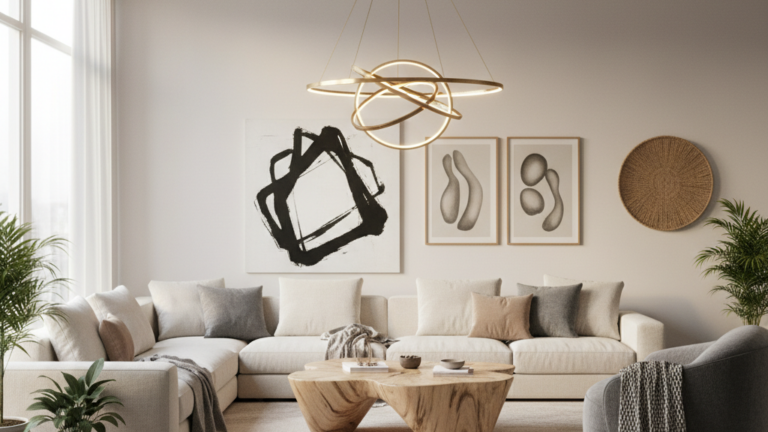
Successfully mixing these styles requires restraint. While minimalism emphasizes negative space and visual clarity, mid-century modern introduces warmth through organic shapes and natural materials such as teak and walnut. Together, they create what many designers call warm minimalism—spaces that feel uncluttered yet inviting, modern yet comfortable.
Let Mid-Century Statement Pieces Anchor Minimalist Spaces
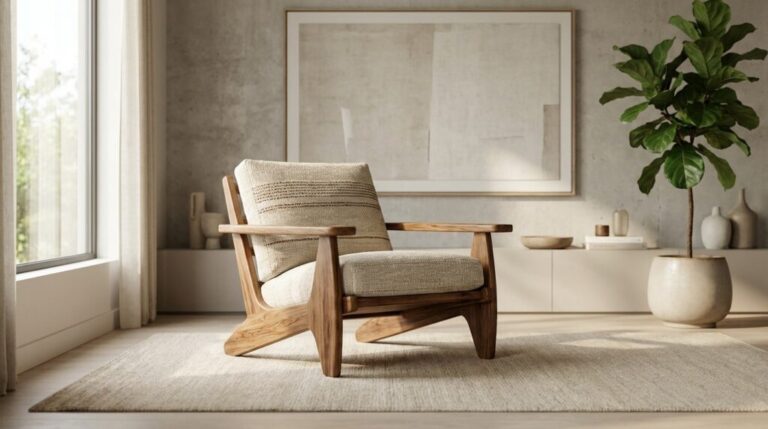
Mid-century modern furniture provides sculptural focal points within a minimalist foundation.
Select one or two iconic, well-crafted pieces to anchor the room. A sculptural lounge chair, an organic coffee table, or a pedestal dining table can serve as both functional furniture and artistic statement. These designs reflect the timeless “form follows function” philosophy, elevating a pared-down interior without overwhelming it.
Quality should always outweigh quantity. Rather than filling every corner, choose two to three standout pieces per room that demonstrate exceptional craftsmanship and enduring design appeal. Thoughtfully selected furniture ensures authenticity while maintaining the clean, open aesthetic essential to minimalism.
How Many Mid-Century Pieces Should You Use?
A balanced approach works best:
- One primary statement piece
- One or two supporting elements
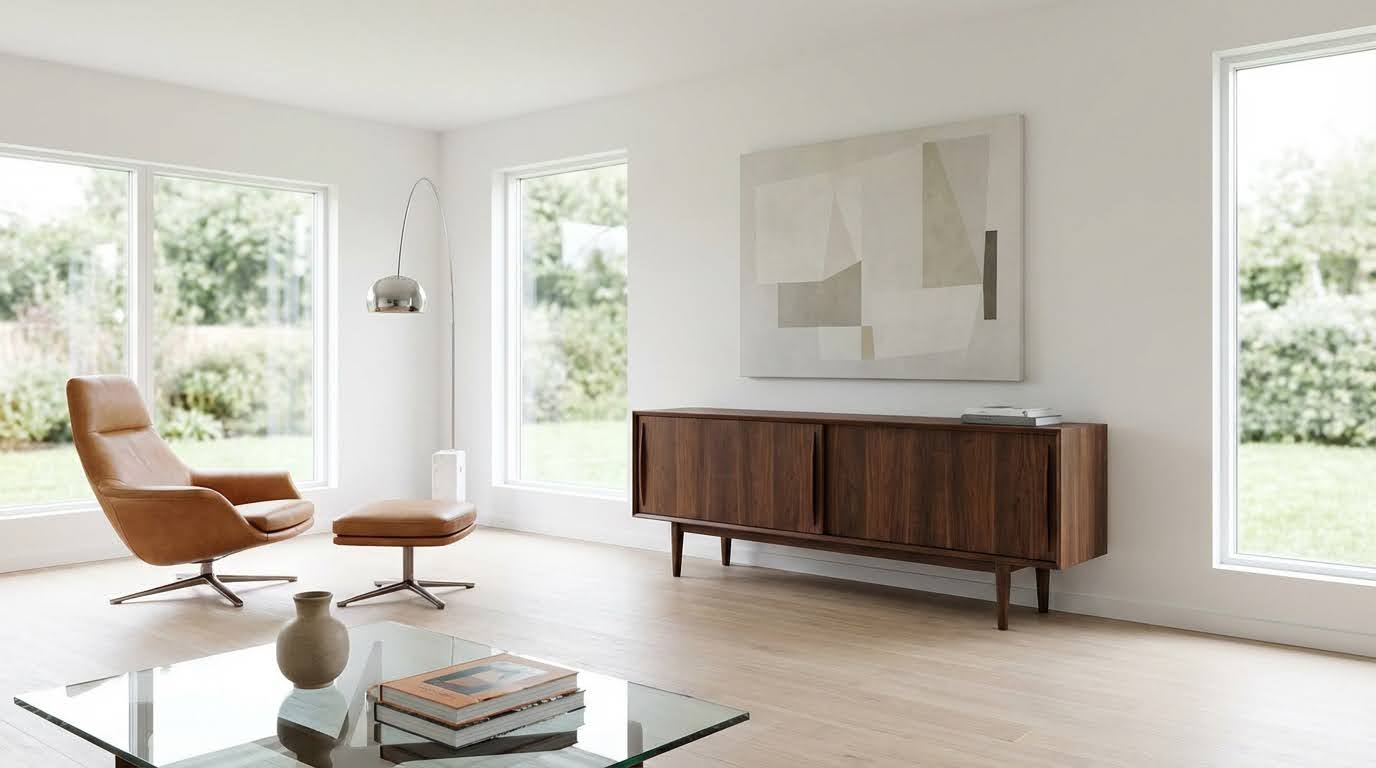
For example, in a living room, a sculptural accent chair may be complemented by a streamlined credenza or sideboard. This restraint prevents visual clutter and preserves the simplicity that defines minimalist design.
Each piece should serve multiple purposes—offering functionality while contributing aesthetic value. A console table can provide storage while acting as a visual anchor. A sculptural chair can offer comfort while functioning as a design centerpiece. In minimalist interiors, every item must earn its place.
Use a Neutral Color Palette to Create Cohesion Color plays a critical role in successfully blending these two styles.
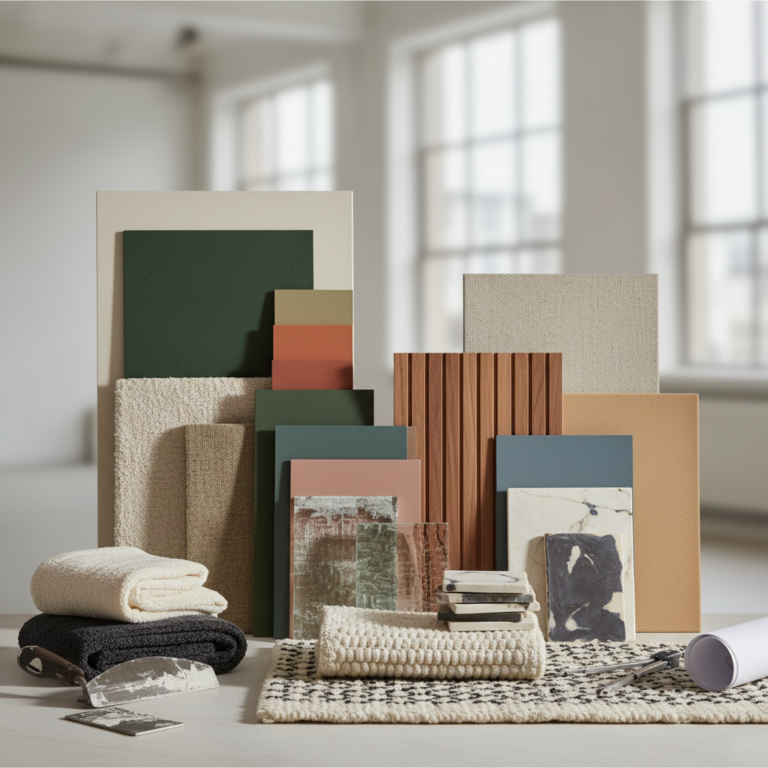
Begin with a neutral foundation—warm whites, soft grays, beiges, and muted earth tones. These shades allow mid-century furniture in rich wood finishes to stand out naturally. A restrained palette enhances cohesion while highlighting the organic warmth of wood, leather, and metal accents.
To prevent monotony, incorporate subtle texture contrasts:
- Matte walls paired with polished metal accents
- Linen textiles layered with smooth leather
- Natural wood combined with glass or steel
This layering adds visual depth without compromising simplicity.
What Colors Work Best for This Design Fusion?
Focus on neutrals that complement natural wood tones:
- Warm white
- Soft gray
- Sand or taupe
- Charcoal accents
Avoid introducing multiple bold colors, which can disrupt minimalist restraint. Instead, allow materials—such as walnut, teak, leather, and brass—to provide natural variation and warmth.
This strategy keeps the space clean and cohesive while avoiding the cold, sterile feel sometimes associated with extreme minimalism.
Embrace Natural Light and Open Layouts
Both modern minimalism and mid-century modern design celebrate openness and light.
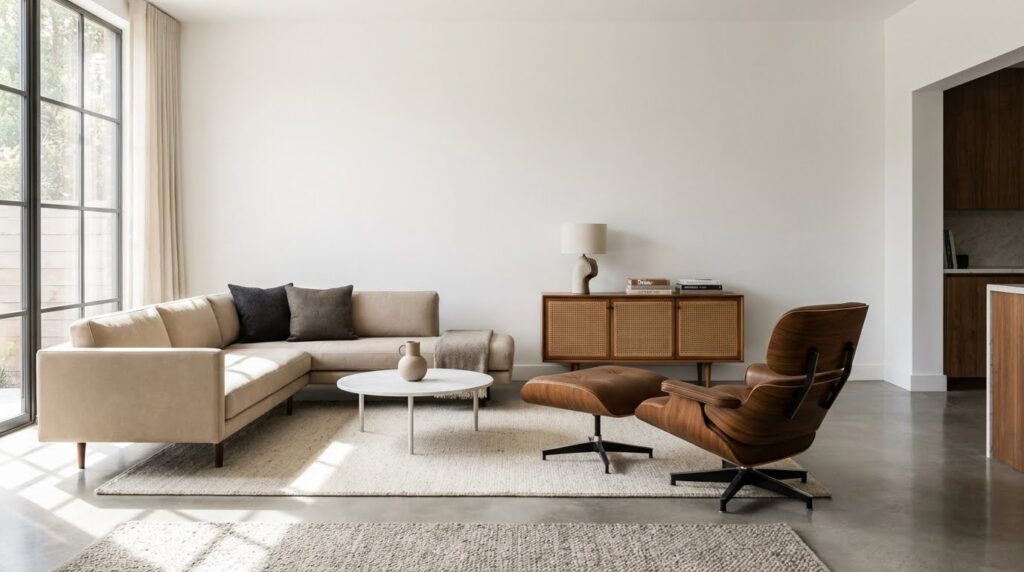
Maximize natural light with simple window treatments such as sheer linen panels or minimal roller shades. Avoid heavy drapery that blocks illumination and interrupts visual flow.
Furniture placement should maintain open sightlines. Instead of pushing everything against walls, create intentional groupings that define areas without disrupting openness. This arrangement allows statement pieces to be appreciated from multiple angles while preserving the spacious feel central to both styles.
Design Comparison Overview
| Design Element | Minimalist Approach | Mid-Century Integration |
|---|---|---|
| Color Palette | Whites, grays, black | Warm wood tones, subtle brass accents |
| Furniture Quantity | Essential items only | 2–3 statement pieces per room |
| Materials | Glass, steel, concrete | Walnut, teak, molded wood, leather |
| Decorative Elements | Minimal styling | Curated objects and iconic lighting |
Frequently Asked Questions
Can I mix reproduction mid-century furniture with vintage pieces?
Yes. High-quality reproductions can blend seamlessly with authentic vintage items. Focus on craftsmanship, proportions, and material integrity rather than exclusivity. In minimalist interiors—where each piece stands out—quality matters more than origin.
How do I prevent the space from feeling cold?
Incorporate natural materials such as wood, leather, linen, and wool. Layered textures soften clean lines and introduce warmth. A balanced combination of organic materials and restrained styling keeps the space inviting.
What is the ideal ratio of minimalist to mid-century elements?
Aim for approximately 70% minimalist foundation and 30% mid-century accents. Let walls, flooring, and architectural features maintain simplicity, while carefully chosen furniture and lighting introduce personality and character.
Which mid-century styles work best with minimalism?
Designs that emphasize clean lines, subtle curves, and functional beauty integrate most naturally. Look for pieces with refined silhouettes, warm wood finishes, and minimal ornamentation to maintain harmony between the two styles.