How to Mix Modern Minimalism with Mid‑Century Classics
In today’s interior design landscape, two styles continually rise to the top for their timeless appeal: modern minimalism and mid‑century classics. At Urban Styles Furniture, we’re all about helping you create spaces that feel intentional, balanced, and full of personality. Blending these two design philosophies may seem challenging at first, but with the right approach, you can achieve a home that feels at once sleek, warm, and curated.
Understanding the Styles
Before you begin combining styles, it’s essential to understand what makes each one unique:
Modern Minimalism
- Clean lines and simple forms
- Neutral color palettes
- Uncluttered spaces that emphasize function
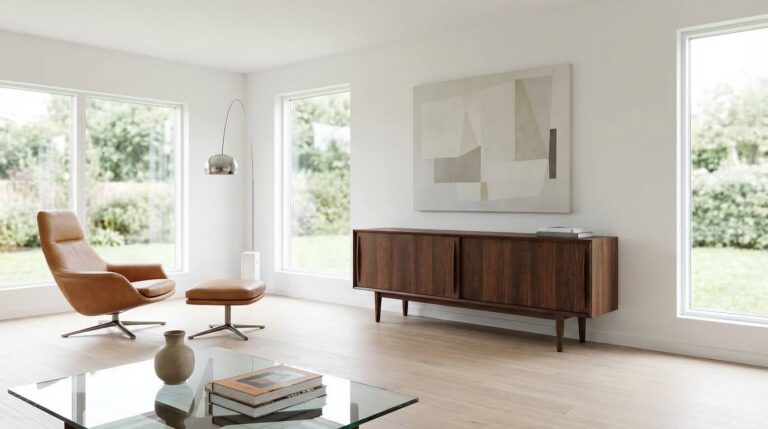
- Furniture that feels light, often with metal or glass accents
Modern minimalism champions the idea that “less is more.” It puts emphasis on space, light, and functional elements without unnecessary ornamentation.
Mid‑Century Classics
- Organic shapes and tapered legs
- Warm wood tones like walnut and teak
- Furniture that balances form with comfort
- Designs inspired by the span of the mid‑20th century
Mid‑century classics bring soul to a room. Pieces have visual interest and personality, whether through sculptural forms, rich woods, or iconic silhouettes.
Why This Combination Works
At first glance, modern minimalism and mid‑century design may seem at odds. One is sleek and understated; the other expressive and historic. Yet they share core values that make them complementary:
- Focus on Function: Both styles prioritize purposeful design.
- Form Meets Function: Each piece should look good and work well.
- Timelessness: These styles aren’t driven by trends but by enduring aesthetics.
Blending these styles allows you to keep your space feeling calm and uncluttered while still infusing warmth and character.
Practical Tips for Mixing These Styles
The secret to a cohesive space is balance. Here are practical ways to weave modern minimalism and mid‑century classics together throughout your home.
Start with a Neutral Foundation
Begin your design with a neutral palette on walls, floors, and large surfaces. Whites, off‑whites, soft grays, and muted beiges provide a canvas that allows furniture to shine without overwhelming the room.
This foundation supports the clean lines of modern minimalism and lets mid‑century pieces rooted in wood and organic forms become focal points rather than visual noise.
Choose One Anchor Piece from Each Style
Anchor pieces set the tone for a room. Try this strategy:
- Select a modern minimalist sofa with simple upholstery and subtle legs.
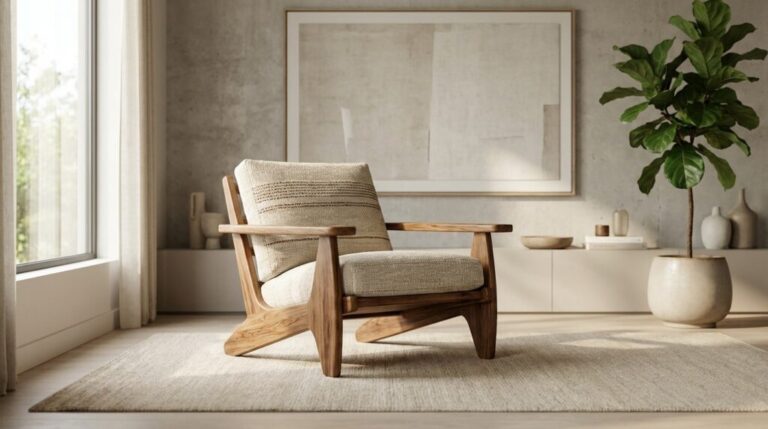
- Add a mid‑century classic armchair or sideboard with rich wood tones.
These two elements work together by contrasting textures and forms in a way that feels intentional rather than clashing.
Mix Materials Mindfully
Blending styles often comes down to material choices:
- Warm Wood + Matte Metal: Pair a walnut coffee table with a matte black floor lamp.
- Textured Fabrics + Smooth Finishes: Use cozy linen cushions with sleek lacquered surfaces.
- Glass Accents: A minimalist glass side table sits comfortably beside a curved mid‑century chair.
Materials bring harmony. When you choose them thoughtfully, each piece feels part of the same story.
Use Geometry to Tie Pieces Together
Both design languages appreciate geometry:
- Modern minimalism features strong, straight lines.
- Mid‑century design brings soft curves and playful shapes.
Use geometric rugs, lighting, and art to bridge these forms. For example, a circular rug can soften a room full of linear furniture while tying in a mid‑century vibe.
Keep Accessories Minimal
One of modern minimalism’s core principles is restraint. Let mid‑century pieces provide the character while keeping décor uncluttered:
- Choose a few sculptural objects instead of many small items.
- Use textiles like throws and pillows for subtle warmth without visual overload.
- Maintain clear surfaces on tables and shelves to preserve a sense of calm.
Less truly becomes more when each object has purpose and place.
Room‑by‑Room Design Ideas
Here are ways to mix styles in different areas of the home:
Living Room
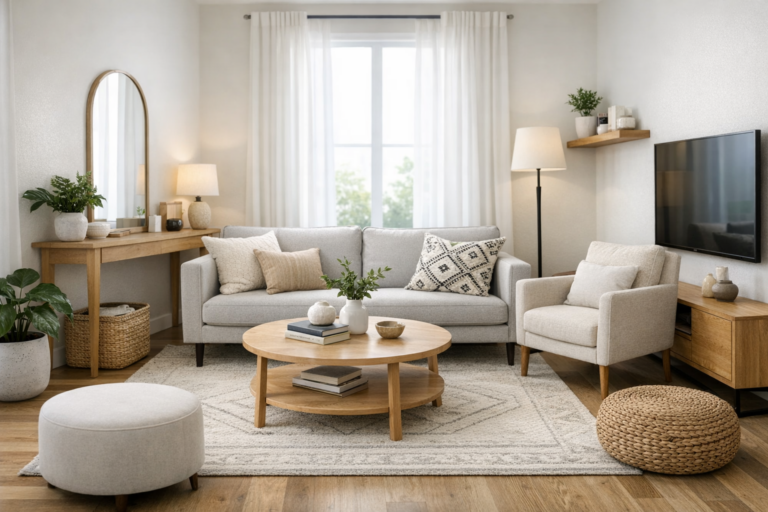
Start with a modern minimalist sofa in a neutral tone. Add a mid‑century walnut coffee table and a low‑profile media console with tapered legs. Choose lighting that speaks to both styles — such as a sleek floor lamp with an organic silhouette.
For seating, consider mixing an accent chair that curves gently with minimalist ottomans. Keep textiles simple but rich: natural fibers like cotton or wool in muted tones work well.
Dining Room
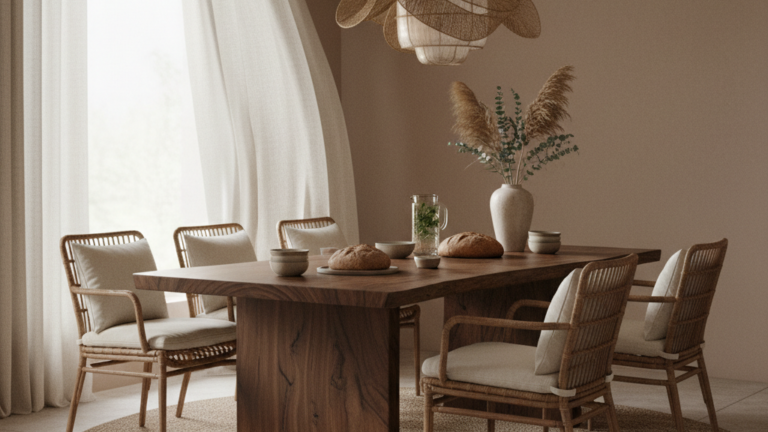
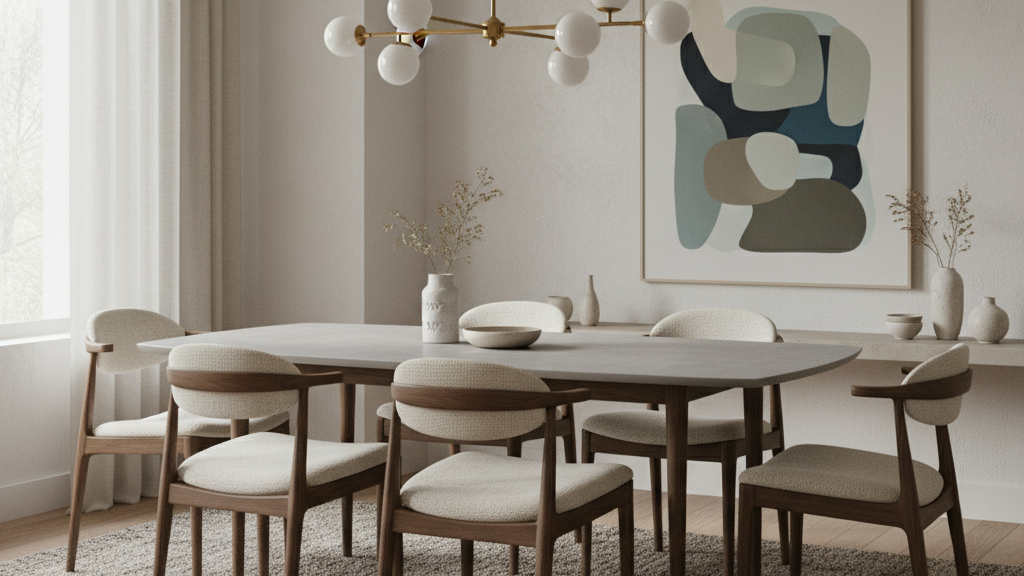
Pair a minimalist dining table with mid‑century chairs. The contrast between a solid, unadorned tabletop and chairs with angled legs creates visual interest while remaining cohesive. A statement pendant light above the table can serve as a bridge between styles — bold yet not ornate.
Bedroom
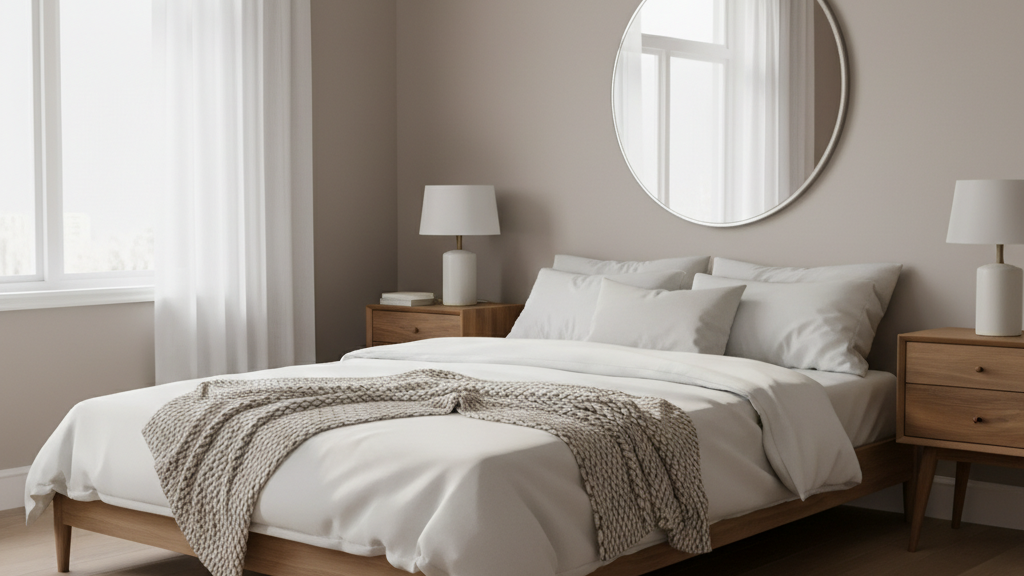
In the bedroom, let minimalism guide the bed frame and linens. Introduce mid‑century character with bedside tables and a dresser that highlight wood grain and craftsmanship. Keep bedding simple, and use texture (like a knit throw) to add dimension without clutter.
Home Office
Choose a streamlined desk with minimalist hardware. Pair it with a mid‑century inspired chair to bring warmth and comfort. Open shelving in clean lines can display a few select items — books, plants, or art — keeping the space functional and welcoming.
Accessorizing with Purpose
Accessories are the finishing touches that can make or break a space. Here’s how to stay intentional:
- Artwork: Choose pieces that feel modern but have organic elements, such as abstract shapes or muted palettes.
- Rugs: Simple patterns with subtle texture help ground the space without competing with furniture.
- Lighting: Lamps that combine metal and wood or glass bring cohesion between styles.
When accessories are chosen with a clear purpose, they elevate both minimalism and mid‑century design without overwhelming either.
Common Mistakes to Avoid
Even with a thoughtful plan, it’s easy to slip into design pitfalls. Avoid these common mistakes:
- Too Many Contrasts: Don’t overuse bold patterns or colors that fight for attention.
- Cluttered Surfaces: Resist filling every shelf or table with décor. Maintain breathing room.
- Ignoring Scale: Pieces that are too large or too small disrupt balance. Consider size carefully, especially in smaller rooms.
Great design feels effortless, but it’s built on intentional decisions.
Final Thoughts
Blending modern minimalism with mid‑century classics creates spaces that feel both contemporary and timeless. This hybrid approach allows you to enjoy the warmth, character, and craftsmanship of mid‑century design without sacrificing the simplicity and clarity of minimalism.
If you’re ready to bring this balanced aesthetic into your home, start with a clear foundation, choose thoughtful anchor pieces, and maintain harmony with intentional accessories and finishes.
For personalized design guidance or to explore curated furniture collections that fit this style fusion perfectly, Contact us. Our team at Urban Styles Furniture is here to help you build a home that feels both modern and meaningful.
Contact us today to start planning your ideal interior design.