2026 Interior Design Forecast: Textures and Tones to Watch for Contemporary Living Spaces
As we approach 2026, the interior design landscape continues its evolution toward sensory-rich environments that prioritize tactile experiences and atmosphere creation. Industry leaders have been signaling a decisive shift in decorative elements, with an emphasis on authentic materials and nature-inspired color palettes. This comprehensive design forecast analysis reveals the emerging patterns that will define residential interiors over the coming year.
The convergence of aesthetic movements showcased at Milan Design Week and High Point Market demonstrates a clear design direction: spaces that engage multiple senses while maintaining visual harmony. From surface treatments to upholstery choices, the trends emerging for 2026 represent a sophisticated response to our collective desire for grounding, authenticity, and dimensional design in our homes.
Color Palette Forecasting: Earthy Tones and Warm Neutrals
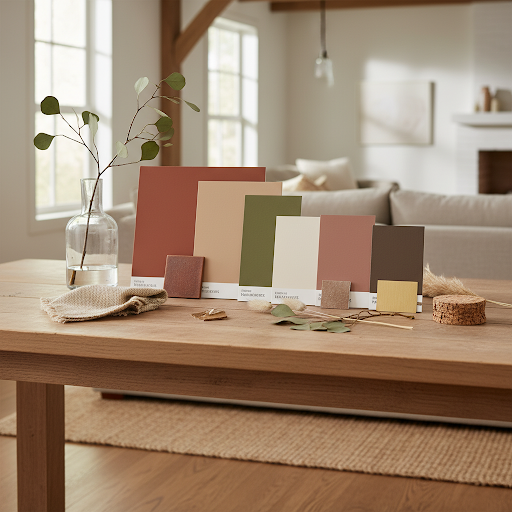
The chromatic trends for 2026 emphasize nature-inspired hues that create calming, grounded environments. Warm neutral tones are emerging as foundational elements, with mushroom brown, sage green, and terracotta dominating palette development. These earthy selections reflect our continued connection to biophilic design principles and sustainable living values.
Clay tones and greige paint colors provide neutral foundations that allow for creative accent layering techniques. Publications like Architectural Digest and Elle Decor consistently feature muted green interiors in editorial spreads, demonstrating their versatility across both maximalist and minimalist design philosophies. Warm beige selections offer particular appeal for those embracing quiet luxury aesthetics.
Emerging Hue Selections and Shade Variations
Beyond primary palette choices, the 2026 forecast includes sophisticated secondary tones. Dusty pink adds softness without sweetness, while forest green accent walls bring depth and botanical connection. These shade variations enable tone coordination that feels both contemporary and timeless, supporting the organic modernism movement championed by designers like Kelly Wearstler.
Platforms including Pinterest and Instagram reveal consumer enthusiasm for sunset-inspired color schemes and Mediterranean-influenced palettes. These chromatic trends demonstrate how color psychology influences emotional responses to interior ambiance, creating spaces that function as retreats from modern overstimulation while maintaining sophisticated visual interest.
Material Trends: Sustainable Materials and Natural Fibers Dominate
The 2026 material palette emphasizes authenticity through sustainable materials and artisanal craftsmanship. Natural fibers—including linen, wool, and handwoven textiles—have moved from niche selections to mainstream choices. This shift reflects both environmental consciousness and a desire for tactile design that provides genuine sensory engagement.
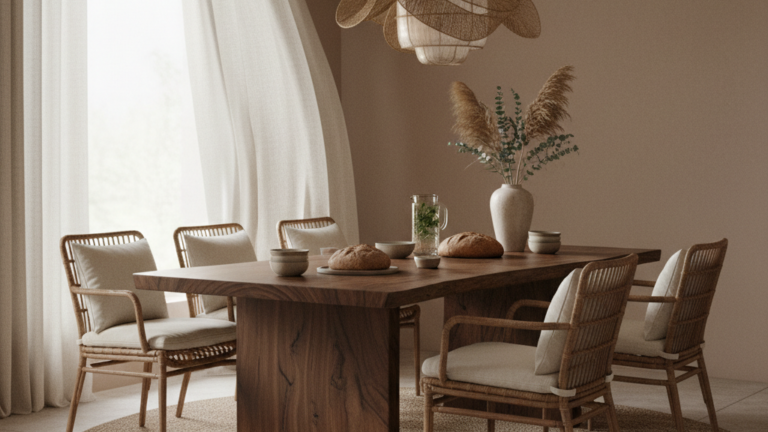
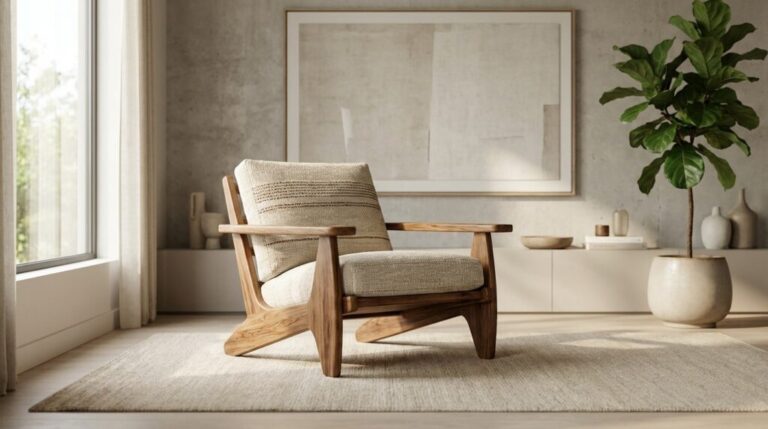
Reclaimed wood, rattan, and cane furniture continue their ascendancy as consumers prioritize eco-conscious materials with visible histories. The bouclé furniture trend shows no signs of diminishing, with this textured upholstery fabric appearing across price points and design aesthetics. These natural textures create contrast with harder surfaces, enabling effective material-mixing strategies.
Organic Finishes and Handcrafted Surfaces
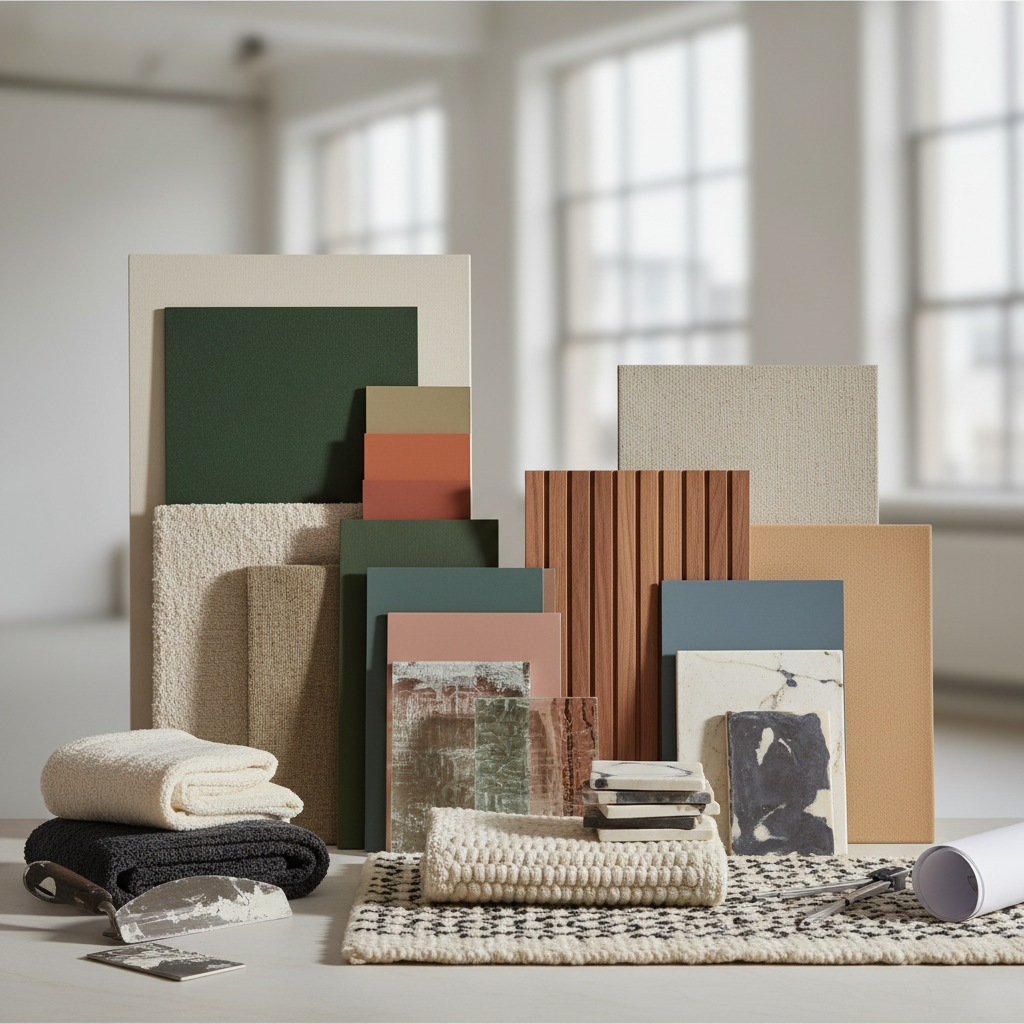
Surface finishes for 2026 celebrate imperfection and human touch. Lime wash and venetian plaster represent movement away from perfectly smooth surfaces toward textured wall treatments that showcase application technique. Raw plaster and microcement provide similar aesthetic appeal with varied performance characteristics suitable for different applications.
Terrazzo patterns and travertine bring geological authenticity to contemporary living spaces. These stone surfaces offer granular texture that adds visual complexity while maintaining natural elegance. Interest in terrazzo continues to rise, with updated production methods aligning with sustainable manufacturing values.
Textile Innovations: Velvet Upholstery and Layered Texture Styling
Upholstery fabrics for 2026 embrace contrast through thoughtful fabric selections. Velvet demonstrates renewed interest in luxurious tactile experiences, particularly in jewel tones and earthy palettes. Layering velvet with natural fiber rugs creates depth through material juxtaposition.
Chenille, linen upholstery, and chunky knit accents offer varied approaches to soft furnishings. Design professionals emphasize layering techniques that combine woven textures with smooth surfaces, creating dimensional interiors that reward close observation. These decorating trends reflect Scandinavian influences merged with warmer, more sensorial Japandi-style elements.
Top Material and Color Combinations for 2026
- Mushroom brown bouclé paired with travertine surfaces creates monochromatic schemes with rich textural variation
- Sage green linen combined with raw plaster walls delivers botanical balance with organic texture
- Terracotta tones alongside natural fiber rugs provide desert-inspired warmth and authenticity
- Forest green velvet contrasted with reclaimed wood introduces saturated color grounded by nature
Frequently Asked Questions
What are the most important texture trends for 2026?
Bouclé upholstery, natural fibers like linen and wool, artisanal wall finishes such as venetian plaster and lime wash, and natural stone surfaces including travertine and terrazzo dominate the forecast. These textures emphasize tactile authenticity and dimensional environments.
Which colors will dominate interior design in 2026?
Warm neutrals such as mushroom brown, greige, and warm beige form the foundation, complemented by sage green, terracotta, clay tones, and forest green. These earthy palettes reflect biophilic principles and support both quiet luxury and organic modernism aesthetics.
How can I incorporate these trends affordably?
Start with accessible natural fiber accents such as linen pillows, wool throws, or rattan accessories. Add small-scale textured wall treatments and consider accent furniture in bouclé or velvet rather than full-room redesigns.
What is the difference between quiet luxury and dopamine decor?
Quiet luxury emphasizes understated materials, tonal palettes, and artisanal craftsmanship. Dopamine decor embraces saturated colors and expressive accents that stimulate positive emotional responses. Both appear in 2026 forecasts, often blended within the same home.
Are natural materials practical for high-traffic areas?
Many natural materials offer durability when properly selected. Travertine and terrazzo provide longevity for flooring, while treated upholstery fabrics and microcement finishes can withstand everyday wear. Choose materials appropriate for each space and consult professionals when necessary.