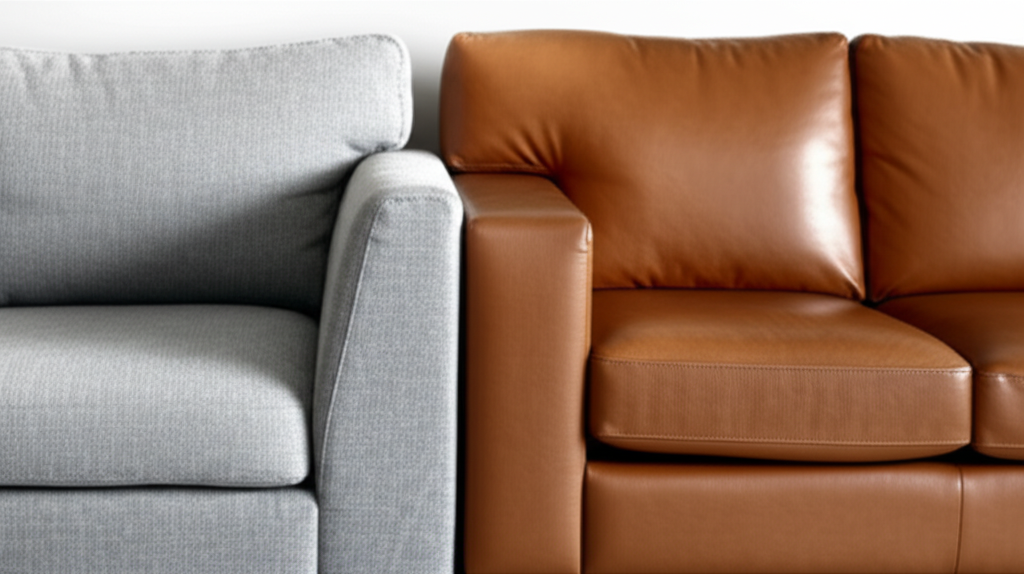
Fabric vs. Leather Sofas: The Ultimate Family Furniture Guide for Busy Households
If you’re anything like me, choosing a sofa for your family feels like making a million-dollar decision. I remember standing in the furniture store with my husband, staring at rows of beautiful couches, completely paralyzed by the fabric versus leather debate. With two energetic kids and a golden retriever who thinks he’s a lap dog, I knew this wasn’t just about aesthetics—it was about survival!
The truth is, picking the right sofa upholstery for busy families isn’t just about what looks good in your Pinterest board. It’s about finding that sweet spot between durability, maintenance, comfort, and yes, your budget too. Whether you’re dealing with juice spills, muddy paws, or just the daily wear and tear of family life, your couch material matters more than you might think.
Today, I’m breaking down everything you need to know about fabric sofas versus leather sofas, with real talk about what actually works for families like ours who live in their living rooms.
TL;DR Summary
Fabric sofas offer comfort, variety, and breathability but require more frequent cleaning and stain protection. Leather sofas are easier to wipe clean and age beautifully but come with a higher price tag and can scratch more easily. For busy families, microfiber fabric or top-grain leather often provide the best balance of durability and maintenance, though your specific household needs—pets, kids, climate, and budget—should ultimately guide your choice.
Understanding Fabric Sofa Types and Upholstery Materials
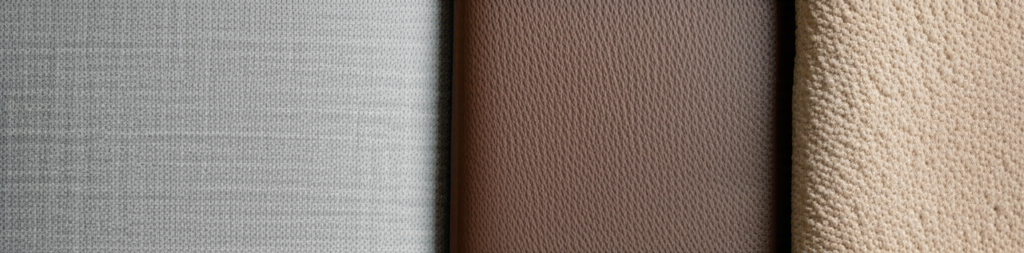
Let’s start with fabric sofas, because honestly, the variety here can be overwhelming. Walk into any furniture store, and you’ll encounter more fabric options than a fashion designer’s dream closet. But not all upholstery materials are created equal, especially when it comes to family-friendly seating.
Popular Fabric Sofa Options for Family Living Rooms
When we’re talking about fabric sofas for busy households, you’ll typically encounter these main players. Microfiber has become the darling of family furniture for good reason—this synthetic material is incredibly stain-resistant and holds up beautifully against pet claws and kid chaos. I switched to a microfiber couch three years ago, and it’s survived more spills than I can count.
Polyester is another workhorse fabric that deserves respect. It’s budget-friendly, resists wrinkles and fading, and when treated with fabric protector, it can handle high-traffic furniture demands like a champ. Cotton upholstery brings that natural, breathable comfort we all love, though it’s definitely more high-maintenance and prone to staining without proper protection.
Linen fabric creates that effortlessly elegant look everyone craves, but let me be real with you—it’s not the most practical sofa choice for households with young children. It wrinkles easily, stains quickly, and requires gentle care. Velvet has made a huge comeback in interior design, and while it looks absolutely stunning, it’s more suitable for formal living rooms than family rooms where daily life happens.
Durability Factors in Fabric Furniture
Here’s what really matters when you’re evaluating sofa durability: thread count, weave tightness, and whether it’s been treated with stain resistance products like Scotchgard. A tight weave means less penetration from spills and fewer snags from pet claws. Look for fabrics rated at least 15,000 double rubs (that’s the industry test for wear resistance)—for families with pets or kids, I’d recommend going even higher to 25,000 or more.
Leather Sofa Varieties and Quality Grades
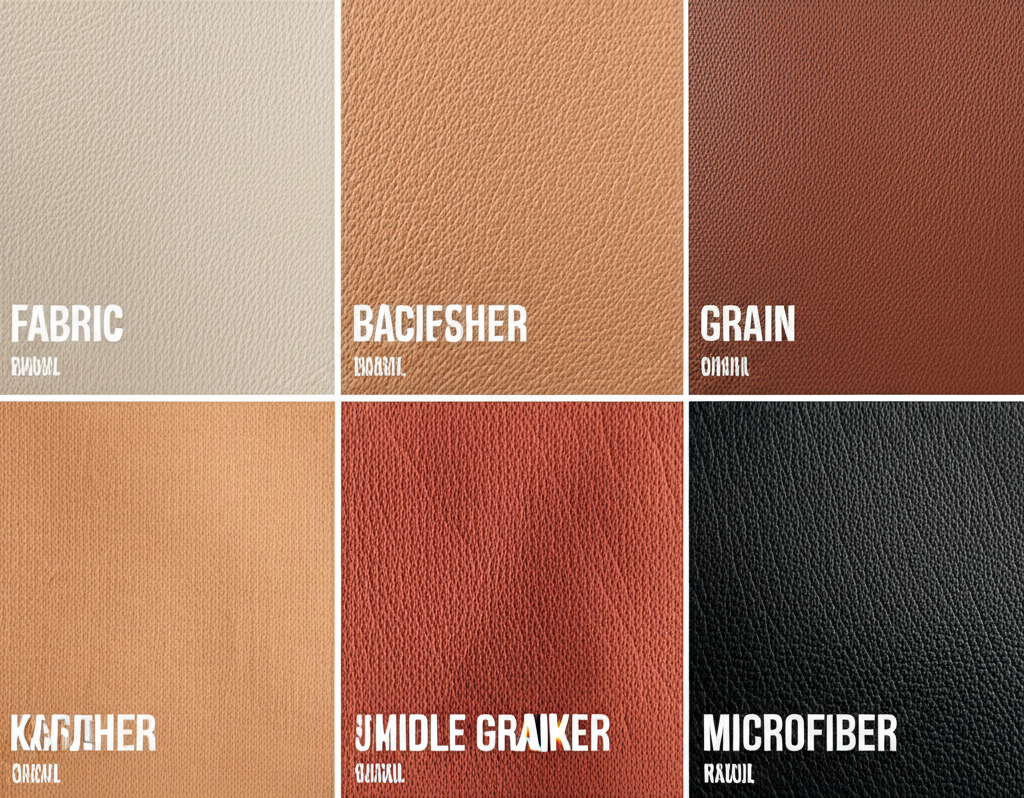
Now let’s talk leather. If fabric sofas are the comfortable, casual friend, leather sofas are the sophisticated cousin who somehow looks better with age. But not all leather furniture is created equal, and understanding the differences can save you from a costly mistake.
Types of Leather and Their Durability
Full-grain leather sits at the top of the quality pyramid. This is the entire hide with all its natural markings, and honestly, it’s an investment piece that can last decades. It develops that gorgeous patina over time that makes vintage leather so desirable. My parents have had their full-grain leather sofa for 25 years, and it looks even better now than when they bought it.
Top-grain leather is slightly more processed but still offers excellent durability and a more uniform appearance. It’s what you’ll find in most quality leather sofas, and it hits that sweet spot between luxury and practicality. This is what I recommend for most families looking at leather options.
Genuine leather sounds impressive, but it’s actually lower quality—made from the layers of hide left after the top grain is removed. It’s more affordable but won’t last as long. Bonded leather is basically leather scraps glued together with polyurethane, and while it’s budget-friendly initially, it tends to peel and crack within a few years. Save yourself the headache and avoid this one.
Faux leather (also called vegan leather or pleather) has come a long way in recent years. Modern faux leather can look remarkably real and offers an animal-friendly, often more affordable alternative. However, it typically doesn’t develop that beautiful aging characteristic of genuine leather and may not last as long.
Fabric vs. Leather Sofa Durability Comparison for High-Traffic Furniture
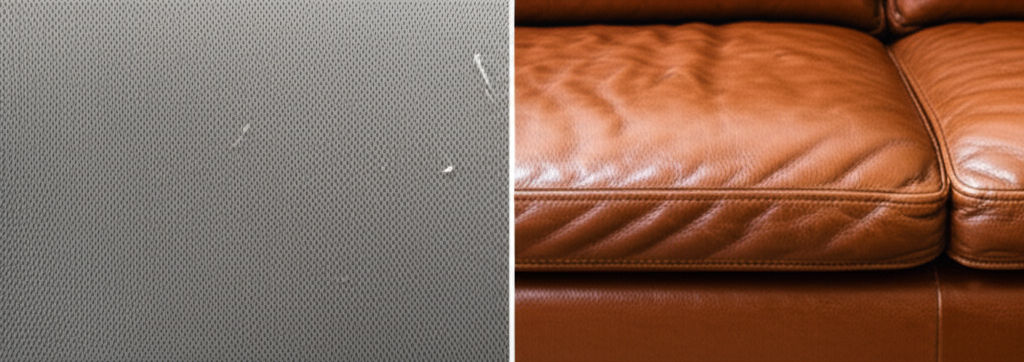
Let’s get down to the nitty-gritty with a side-by-side comparison. When you’re investing in living room furniture, you need to understand exactly what you’re signing up for.
| Factor | Fabric Sofa | Leather Sofa |
|---|---|---|
| Furniture Lifespan | 7-15 years depending on quality and care | 15-25+ years for quality leather |
| Stain Resistance | Moderate to high with treatment; absorbs liquids | High; liquids sit on surface for easy wiping |
| Scratch Resistance | Good; snags possible with pets | Moderate; shows scratches but develops character |
| Temperature Regulation | Excellent breathability; comfortable year-round | Can be cold in winter, sticky in summer without A/C |
| Allergen Resistance | Traps dust mites, pollen, and pet dander | Doesn’t harbor allergens; easy to wipe clean |
| Initial Cost | $500-$3,000 for quality pieces | $1,500-$5,000+ for genuine leather |
| Resale Value | Lower; harder to sell used | Higher; vintage leather is desirable |
Real-World Wear Resistance Testing
I’ve lived with both, and here’s my honest take: fabric sofas can look worn faster, especially in that spot where everyone sits. You’ll see the fabric pill, colors may fade near windows, and high-traffic areas develop that telltale shine. Quality leather, on the other hand, actually improves with age—those scratches and worn spots become part of its charm rather than eyesores.
Pet-Friendly and Child-Friendly Furniture: Which Wins?
This is where rubber meets the road for busy families. Let’s break down what actually happens when you add kids and pets to the equation.
Best Sofa Material for Homes with Dogs and Cats
For pet owners, leather sofas often edge ahead in the practical furniture race. Dog hair doesn’t embed itself into leather—it just sits on top waiting for a quick wipe with a lint roller. Cat scratches are more visible on leather, but they blend into the patina over time. With fabric, those claws can snag threads and create permanent damage.
That said, tightly woven microfiber gives leather a run for its money in pet-friendly sofas. It resists pet hair surprisingly well, and the tight weave makes it harder for claws to snag. Just make sure you’re getting true microfiber (look for fabrics labeled as such, not just “microfiber feel”).
Kid-Proof Sofa Fabric Options
Kids and sofas have a complicated relationship. Between juice boxes, markers, muddy shoes, and the occasional science experiment gone wrong, your couch takes a beating. For child-friendly furniture, I lean toward treated fabric sofas—specifically microfiber or performance fabrics with Scotchgard or similar protection.
Leather wins points for easy cleanup when spills happen (and they will happen), but leather can also show damage from sharp toys, bounce houses, and enthusiastic fort-building. Plus, some leather develops an uncomfortable stickiness against bare skin in summer, which kids particularly hate.
Furniture Maintenance and Cleaning Methods: Your Practical Care Guide
Here’s the reality check: the best sofa in the world won’t stay nice without proper care. Let me share the actual furniture care routines that work for busy families, not the Pinterest-perfect versions nobody has time for.
Fabric Sofa Cleaning Schedule and Stain Removal Techniques
For fabric sofas, I recommend this realistic cleaning schedule:
- Weekly: Quick vacuum with upholstery attachment to remove crumbs, dust, and pet hair
- Monthly: Deep vacuum including under cushions; spot-treat any new stains
- Quarterly: Professional-grade upholstery cleaner treatment or steam cleaning
- Annually: Consider professional upholstery cleaning service for deep refresh
For stain removal on fabric furniture, speed is everything. Blot (never rub!) spills immediately with clean cloths. Keep an enzyme-based upholstery cleaner on hand for organic stains like food and pet accidents. For mystery stains, test cleaning solutions on hidden areas first—I learned this the hard way after bleaching a visible spot on my first couch!
Leather Sofa Care Routine and Conditioning
Leather furniture care is actually simpler than most people think. Your basic routine should include:
- Weekly dusting: Wipe down with a dry microfiber cloth to remove dust and prevent buildup
- Monthly cleaning: Use a slightly damp cloth with pH-neutral soap for light cleaning
- Quarterly conditioning: Apply leather conditioner to prevent drying and cracking
- Annual protection: Consider leather protection products for added spill protection
The biggest mistake people make with leather care products is over-conditioning, which can make leather sticky and attract dirt. Less is more here—a thin, even application of quality leather conditioner every few months is plenty.
Essential Products for Furniture Protection
Regardless of which sofa type you choose, these products are worth the investment for long-lasting furniture:
- Fabric protector spray (reapply annually after cleaning)
- Quality upholstery cleaner specific to your material type
- Microfiber cleaning cloths (at least a dozen—you’ll use them constantly)
- Enzyme cleaner for pet and food stains
- For leather: pH-neutral leather cleaner and quality conditioner
- For fabric: handheld fabric steamer for quick refreshes
Cost Comparison and Budget Considerations for Your Furniture Investment
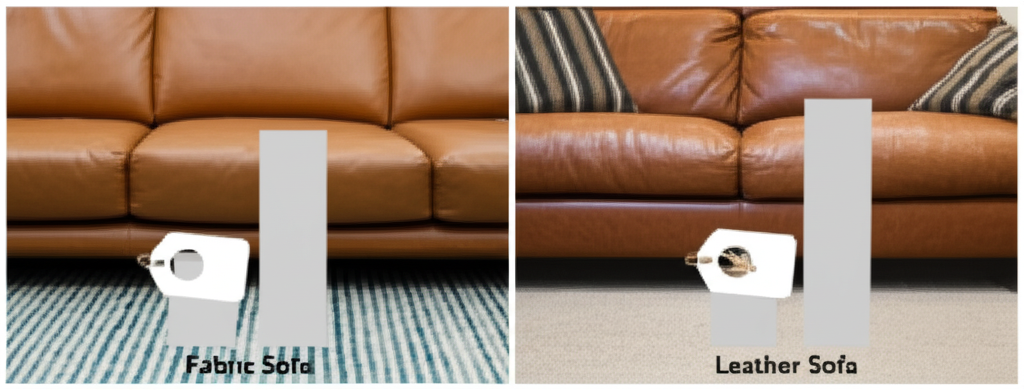
Let’s talk money, because sofa purchasing is a significant investment for most families. Understanding the true cost means looking beyond that initial price tag.
Initial Purchase Price Analysis
Budget-friendly sofas in quality fabric typically start around $500-$800 for a decent piece. Mid-range fabric sofas with better construction and treated fabrics run $1,200-$2,500. High-end designer fabric pieces can exceed $4,000.
For leather, you’re looking at starting prices around $1,500 for genuine leather (though quality may be questionable at this price point). Quality top-grain leather sofas typically range from $2,500-$4,500. Full-grain leather pieces easily reach $5,000-$10,000+ from premium manufacturers.
Long-Term Value and Furniture Warranty Considerations
Here’s where the math gets interesting. That $800 fabric sofa might seem like a steal, but if it only lasts 5 years before looking shabby, you’re spending $160 per year. A $3,000 leather sofa lasting 20 years costs $150 per year—plus it maintains resale value.
Always check the furniture warranty before buying. Quality manufacturers offer at least 5-year warranties on frames and 1-2 years on upholstery. This tells you a lot about their confidence in furniture durability factors.
| Sofa Type | Average Initial Cost | Expected Lifespan | Annual Cost | Resale Value |
|---|---|---|---|---|
| Budget Fabric | $500-$800 | 5-7 years | $100-$160 | Very Low |
| Quality Microfiber | $1,200-$2,000 | 10-15 years | $80-$200 | Low |
| Genuine Leather (Lower Grade) | $1,500-$2,500 | 10-15 years | $100-$250 | Moderate |
| Top-Grain Leather | $2,500-$4,500 | 15-20 years | $125-$300 | Good |
| Full-Grain Leather | $4,000-$8,000+ | 25+ years | $160-$320 | Excellent |
Making Your Decision: A Furniture Selection Guide for Your Family’s Needs
After all this information, how do you actually decide? I recommend asking yourself these specific questions about your household.
Choose Fabric Sofas If:
- You have a tighter budget but still want quality comfortable seating
- Your home gets very hot in summer without consistent air conditioning
- You love variety in patterns, colors, and textures for interior design flexibility
- You’re okay with slightly more maintenance for that cozy, soft feel
- Your family prefers the warmth and breathability of fabric materials
- You plan to redecorate or move within 10 years
Choose Leather Sofas If:
- You have pets that shed heavily (easy cleanup is a game-changer)
- Anyone in your family has dust mite or fabric allergies
- You prefer low-maintenance sofas with simple wipe-down cleaning
- You’re viewing this as a long-term furniture investment (15+ years)
- You love the look of leather and how it ages over time
- You can invest in quality top-grain or full-grain options
- Spill-proof furniture is a top priority for your busy household
Consider Performance Hybrid Options
Don’t sleep on newer performance fabrics that combine the best of both worlds. Companies are now producing synthetic materials that offer leather-like easy-care upholstery with fabric-like comfort. These might cost more initially but can provide the practical furniture solution many busy families need.
Bonus Tips for Extending Your Sofa Lifespan
Regardless of which path you choose, these strategies will help maximize couch longevity:
- Rotate cushions monthly: This ensures even wear across all surfaces
- Keep sofas away from direct sunlight: UV rays fade both fabric and leather
- Use throws and slipcovers strategically: Protect high-contact areas without covering the entire couch
- Address spills within 5 minutes: This single habit prevents 90% of permanent stains
- Follow manufacturer care instructions: They know their materials best
- Professional cleaning every 1-2 years: Worth every penny for deep maintenance
- Keep pet nails trimmed: Reduces scratches and snags on both materials
Your Family Deserves the Perfect Sofa
At the end of the day, the fabric versus leather debate isn’t about which is objectively better—it’s about which is better for your unique family situation. I’ve had both types, and each served its purpose for different life stages. When my kids were toddlers, that microfiber fabric sofa was an absolute lifesaver. Now that they’re older and we’ve added allergy concerns to the mix, our leather sofa makes more sense.
The most important thing is choosing thoughtfully rather than impulsively. Consider your actual lifestyle, not the lifestyle you wish you had. Be honest about how much maintenance you’ll realistically do. And remember—no sofa survives family life perfectly. Those stains, scratches, and worn spots? They’re proof that your sofa is doing its job: being lived on, loved on, and creating memories with the people who matter most.
What’s your experience with fabric versus leather sofas? Have you found the perfect family-friendly option, or are you still searching? I’d love to hear your sofa stories—the triumphs and the disasters! Drop a comment below and let’s help each other navigate this important furniture decision. And if you found this guide helpful, share it with another family wrestling with the same choice. We’re all in this together, trying to find furniture that works as hard as we do!